



Share your craft projects
Make new craft buddies
Ask craft questions
Blog your craft journey
chair


[spongebob 4 years later.jpg]
It's been 4 years since I built the 1:6 scale model of the "Dolphin" chair by Hans Wegner. Back then, I didn't hav...
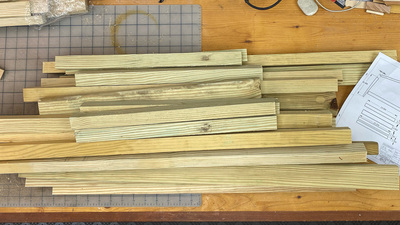
Most of the pressure-treated scraps from my deck skirting project were pretty narrow - around 1-1/8" wide. Most of the blanks needed for the chair...

While the edges of the backrest parts were still square, I cut the mortises for the dominos. Ganging the rails together made a self-supporting str...
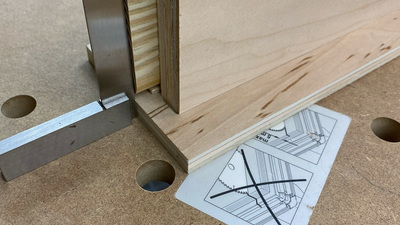
This step is out of order compared to the actual sequence of the build, but it seemed to make sense to present it now. The back receives a set of ...
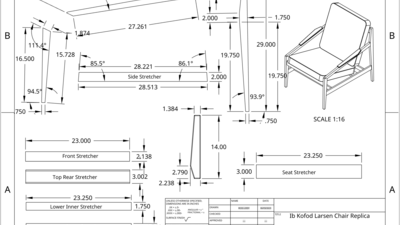
As with the other replica chairs I've made, it requires spending quite a bit of time looking at example photos from different angles in order to ma...
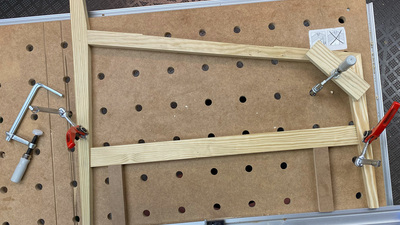
Simultaneously aligning all 4 components of a side assembly gave me fits. Very slight errors in length and/or angles meant that as I sequentially ...
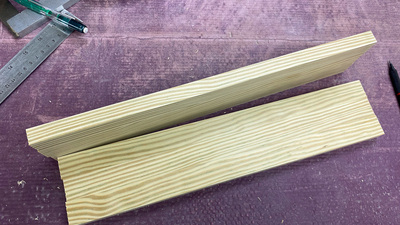
My last pair of blanks are for the armrests. I started by planing them down to 5/8" thick, which is the final thickness for rear of the armrest. ...

I completed the remaining stretcher mortises in the two pair of front legs and trimmed the outline on the test stretcher.
[20241124-IMG_9577.jpg...

With all the tenons cut on the stretcher blanks, I used a router template to cut them to final shape. I used the test front stretcher as my templa...

After finishing my stick chair almost a month ago, I finally got the video done for it. They were both a lot of work!
[2025-08-31_07-12-42.jpg]...
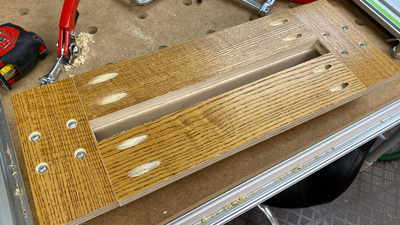
As mentioned earlier, the armrest will fit into a 1/8" deep recess on the top of the arm. I made this router jig (from scraps) to use to cut the r...
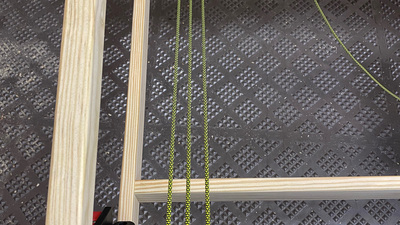
There were a couple things I wanted to verify before the final glue-up:
• Could I keep the paracord lacing tight enough so that it would support a ...
